Water softener replacement, installation and upgrades
Cloudy glasses, white crust on faucets and soap that will not lather are all signs of hard water. Whether you need your first softener or a replacement, Magic Valley Water handles your project.
What do you need?
Pick the option closest to your situation.
- ReplacementYour softener is old, using lots of salt, or the hard-water signs are coming back.Read more
- New installationNo softener yet and seeing hard-water signs, or building a new home or shop.Read more
- System upgradesMore capacity for a bigger household, or smarter controls that use less salt.Read more
Signs you have hard water
Most homes in the Magic Valley do not have a water softener, and many people do not realise hard water is behind these everyday problems. Published test results for water systems in the area commonly fall in the range the U.S. Geological Survey calls very hard.
Why are my glasses cloudy after the dishwasher?
A cloudy, white film on glasses is usually calcium and magnesium left behind as the water dries. A quick test: soak a glass in white vinegar for a few minutes. If the film wipes away, it is hard water. If it stays, the glass may be etched, which is permanent.
Getting a new systemWhy do my dishes come out with white spots?
Spots and a chalky residue on dishes, bowls and cutlery are minerals from hard water. Rinse aids help a little, but a softener deals with the cause.
Getting a new systemWhy doesn't my soap lather?
Hardness minerals react with soap and turn it into scum instead of suds, so you use more soap, shampoo and detergent to get the same result. Soft water lathers easily.
Getting a new systemWhy does my skin feel dry and itchy after a shower?
Many people find hard water leaves their skin feeling dry or tight. Soap does not rinse off as cleanly in hard water, and the leftover residue can be irritating. Softened water rinses away more easily.
Getting a new systemWhy is my hair dull, frizzy or hard to manage?
Minerals in hard water can build up on hair, leaving it feeling rough, dull or straw-like and making shampoo less effective.
Getting a new systemWhat is the white crust on my faucets and showerhead?
That is limescale: minerals left behind by hard water. It builds up on faucets, showerheads, tile and glass shower doors, and it forms inside pipes and appliances too.
Getting a new systemWhy are my clothes stiff and dingy after washing?
Hard water makes detergent less effective, so minerals and soap residue stay in the fabric. Towels feel scratchy and whites can turn grey.
Getting a new systemIs hard water bad for my water heater?
Yes. Scale builds up in the bottom of tank water heaters and inside tankless units, which wastes energy, causes popping noises and can shorten the heater's life.
Getting a new systemMy softener is running but I still see these signs. Why?
An older softener can stop keeping up, run out of capacity for a bigger household, or have failing controls. If hard-water signs are coming back, it may be time to replace or upgrade it.
Replacement options
Water softeners: the basics
What a softener does
Hard water carries dissolved calcium and magnesium. A typical salt-based softener swaps these for sodium or potassium through ion exchange, which stops scale building up.
Know your water hardness
Hardness varies from home to home, including between city water and private wells. A hardness reading, along with the size of your household, sets the right size of system.
Salt-based or salt-free
Salt-based softeners remove hardness minerals. Salt-free systems are usually conditioners that change how scale forms rather than removing the minerals. They do different jobs, so ask what each would do in your home.
Running costs
Salt-based systems need salt refills and a drain connection for regeneration. Newer controls that regenerate based on actual use can reduce salt and water use.
Common questions
Does Magic Valley Water install water softeners?
Yes. Magic Valley Water handles water softener replacements, new installations and upgrades. We look after your project from your first call to the finished job.
How do I know if I have hard water?
Common signs are cloudy glasses, white spots on dishes, crust on faucets and showerheads, and soap that lathers poorly. A hardness test gives a definite answer.
Is the water in Twin Falls hard?
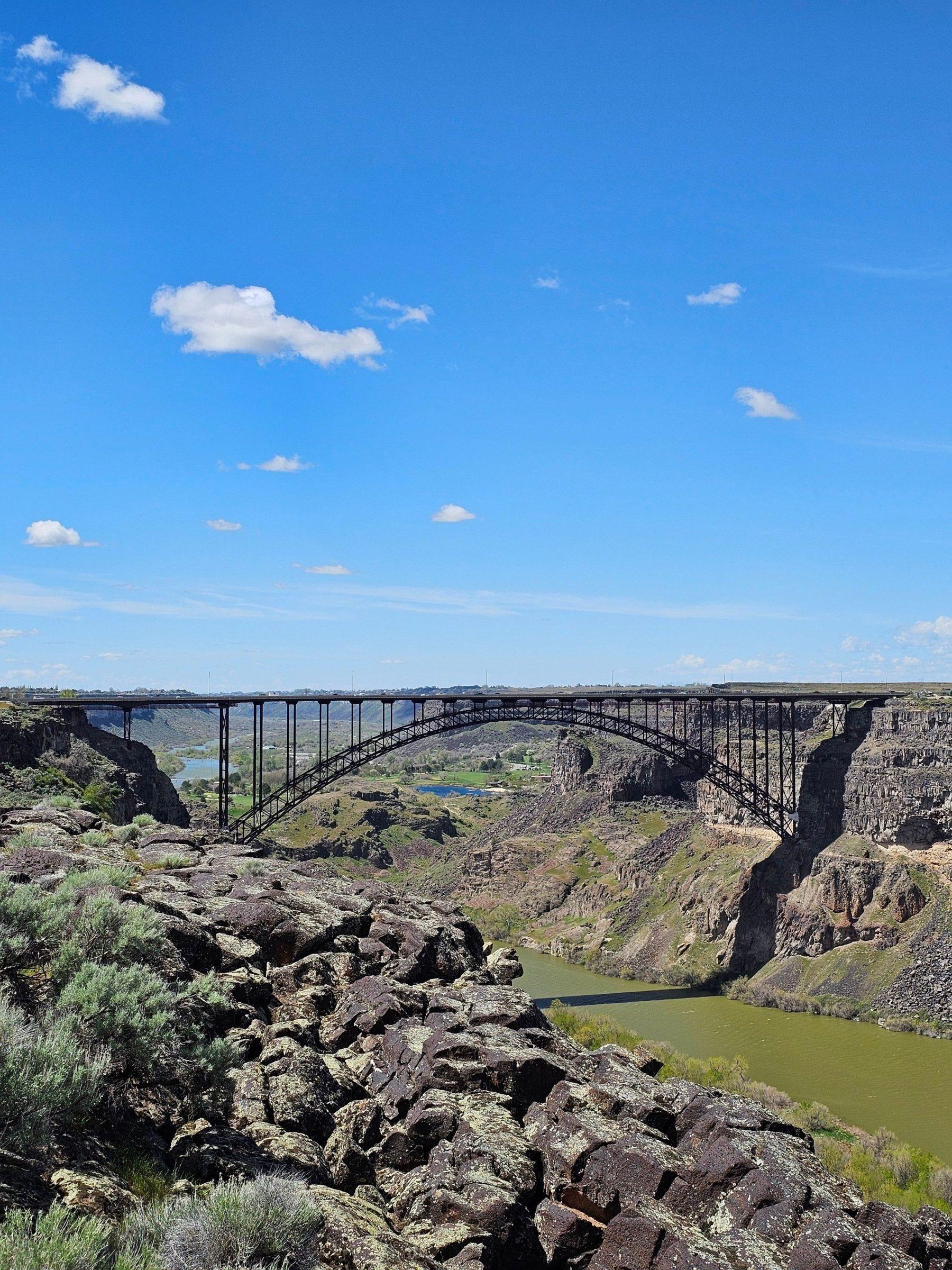
Published test results for Twin Falls and other water systems in the Magic Valley commonly fall in the very hard range. Levels differ between city water and private wells, so a test of your own water is the best guide.
Is softened water safe to drink?
Softening adds a small amount of sodium or potassium. If you are on a sodium-restricted diet, ask your doctor, and ask us about drinking water options when you get your quote.
Ready to get started?
Tell us about your project and we will take it from there.