New water softener installation
Adding a softener to a home that has never had one starts with understanding your water. This page covers the planning questions that shape a new installation.
When this applies
Living with hard water
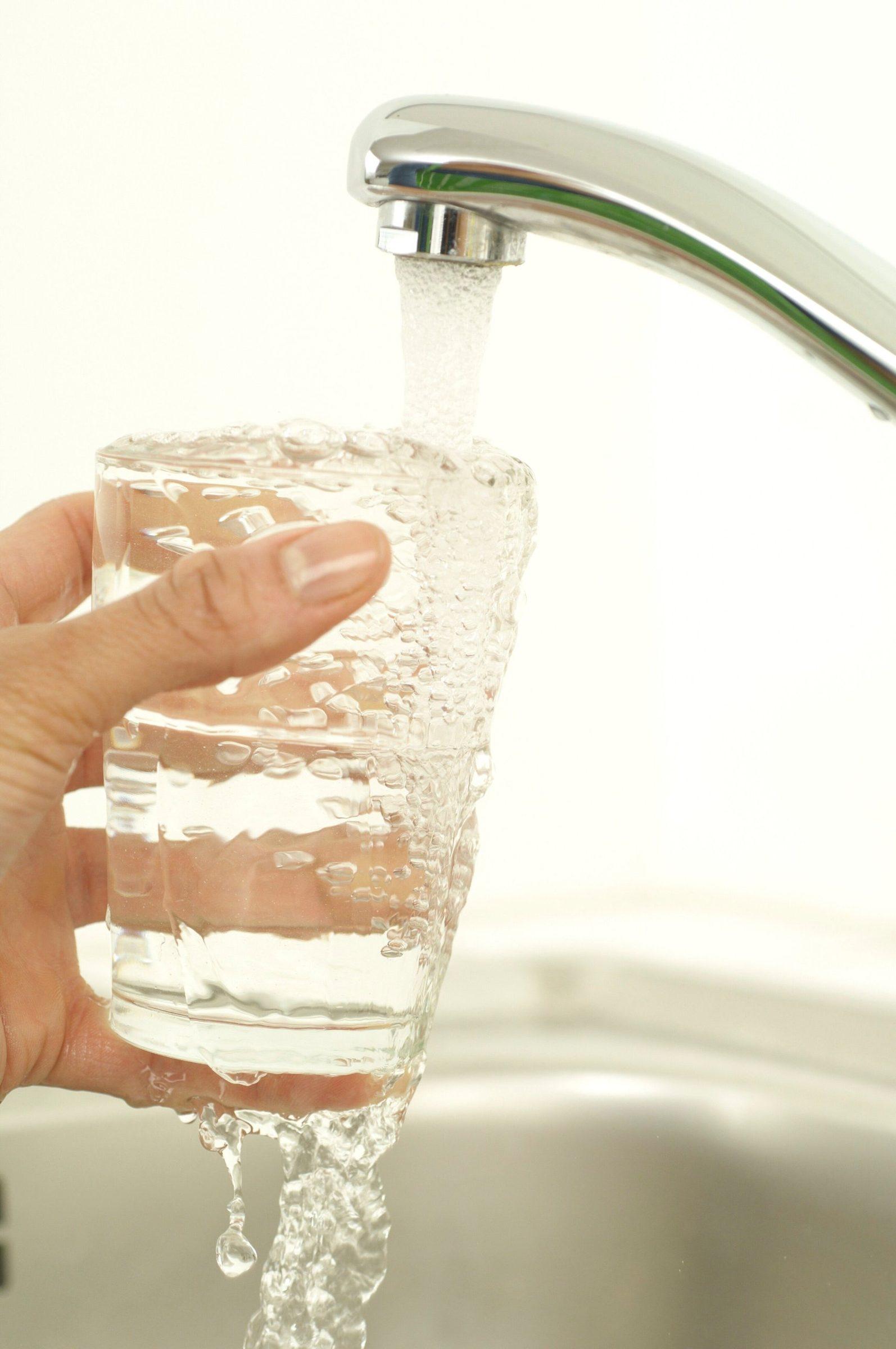
Cloudy glasses, spotty dishes, scale on fixtures or dry skin and hair, and you want it to stop.
A new build or renovation
Plumbing is accessible, so it is the easiest time to plan a softener into a new home or shop.
A move to a home without one
You are used to softened water, or have noticed hard water in your new home.
What affects an installation
Hardness and household size
These decide what size of system is suitable.
Location
A softener usually sits where the main water line enters the home, with room for the brine tank and access for salt.
Power and drain
It needs an electrical outlet and a suitable drain connection for regeneration water.
Bypass and outdoor taps
Plumbing is usually arranged so you can bypass the unit and so that outdoor taps do not use softened water.
Local rules
Some areas have rules about where regeneration water can be discharged, such as to a septic system. We check what applies to your address.
Good questions to ask about your quote
Clear answers to these make it easy to know exactly what you are getting.
- How will you determine the right size for my water hardness and household?
- Where would the softener and brine tank go, and what plumbing changes are needed?
- How will the drain connection be handled?
- What is the ongoing cost and effort for salt?
- What is and is not included in the quote?
Common questions
Do I need a softener if my water is only mildly hard?
Not necessarily. It depends on how much the hardness bothers you and what it affects. We can explain the trade-offs.
Can a softener be installed in any home?
Most homes can fit one, but space, plumbing access and drainage vary. A site check answers this for your home.
Related water softeners pages
Ready to get started?
Tell us about your project and we will take it from there.